
Because sustainable systems anticipate, they don’t react.
In every organization, uncertainty is inevitable. Markets shift, suppliers fail, technology evolves, and customer expectations change overnight. Yet many businesses still operate as though tomorrow will look exactly like today, until disruption hits. That’s when systems built for compliance start to break.
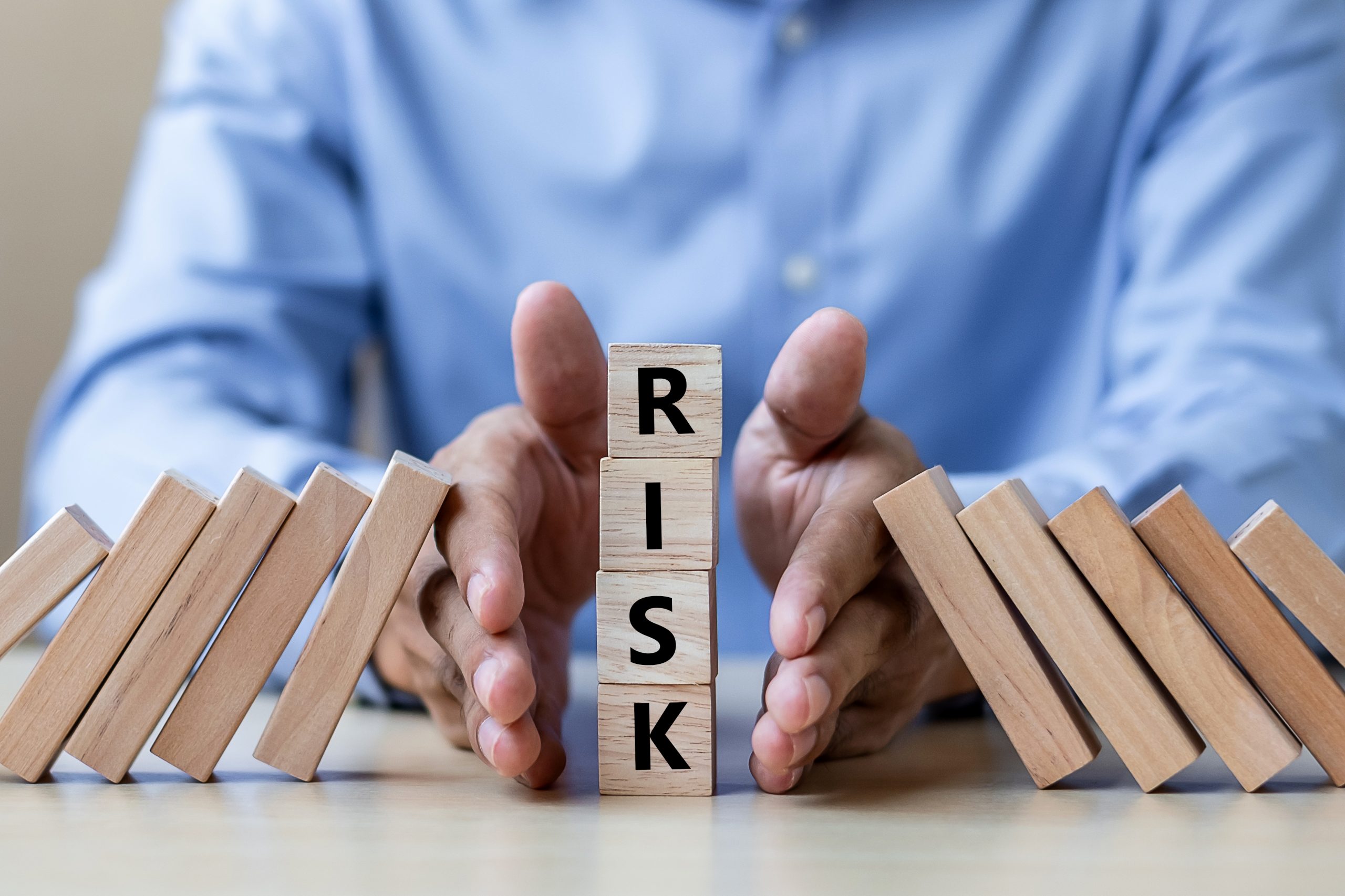
ISO 9001 introduced risk-based thinking for one powerful reason: sustainability depends on foresight. It’s not about predicting the future but preparing your system to absorb change, recover quickly, and keep moving forward.
At QUEMS Consulting, we see risk-based thinking as the heartbeat of a sustainable quality management system. It’s what transforms ISO 9001 from a static framework into a dynamic tool for resilience and growth.
From Avoiding Risk to Understanding It
Many organizations treat risk management like a checkbox, a list of potential threats documented once a year and forgotten. But genuine risk-based thinking is less about avoidance and more about awareness. It’s about cultivating an organizational mindset that constantly scans the environment, identifies weak signals early, and responds before problems escalate.
In practice, this means moving beyond fear-based responses. Every risk carries an opportunity to learn, innovate, or strengthen a process. When teams see risk as a signal instead of a threat, they become more proactive, not defensive.
Making Risk Part of Everyday Decision-Making
Risk management shouldn’t live in a separate document. It should guide daily decisions at every level of the organization. When risk awareness is embedded into meetings, planning, and performance reviews, it becomes part of how people think, not just what they report.
For example, procurement teams can assess the reliability of suppliers through both quality performance and delivery consistency. Operations can evaluate process efficiency while considering the impact of potential downtime. Leadership can integrate risk discussions into strategic planning to ensure business continuity and growth remain aligned.
The goal is not to remove uncertainty, but to make decisions with clarity despite it.
Building a Culture of Anticipation
A sustainable system is one that anticipates rather than reacts. This doesn’t happen through policies alone, it requires leadership behavior that encourages openness, transparency, and accountability.
When employees feel safe to raise concerns or highlight potential issues, the organization becomes more adaptive. A culture of anticipation develops when people are rewarded for foresight, not just results.
To embed this mindset, organizations should revisit their risk registers quarterly, integrate lessons from nonconformities into risk reviews, and involve cross-functional teams in identifying new trends or vulnerabilities. This collective awareness builds resilience from the inside out.
The QUEMS Practical Move
Embedding risk-based thinking doesn’t require overhauling your processes, it requires realignment. At QUEMS, we guide organizations to make this mindset part of their daily rhythm through:
- Integrating risk into decisions – Encourage teams to evaluate potential impacts before acting.
- Revisiting risks regularly – Keep your risk register alive with quarterly reviews and discussions.
- Linking risks to opportunities – Every identified risk should lead to an improvement or preventive measure.
Closing Thought
Sustainability isn’t achieved by eliminating uncertainty, it’s achieved by managing it intelligently. Risk-based thinking gives your organization the foresight to evolve instead of react, to stay steady when circumstances change, and to turn challenges into opportunities for growth.
At QUEMS Consulting, we believe the most resilient systems are those that don’t fear risk, they understand it. Because in the pursuit of lasting success, awareness isn’t just power, it’s sustainability.